Solar Panels in Gujranwala: 2026 Buyer’s Guide to Costs & Savings
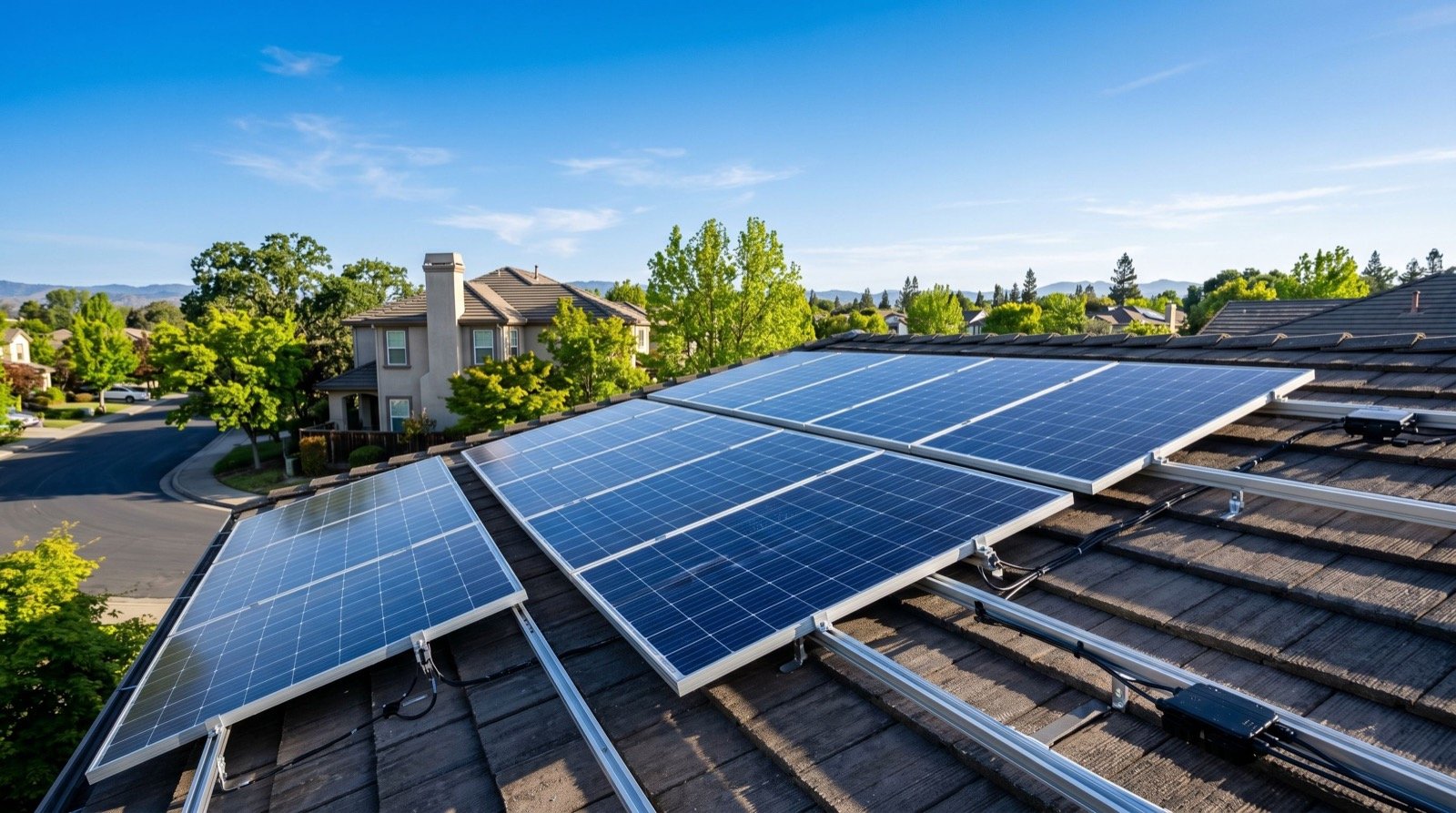
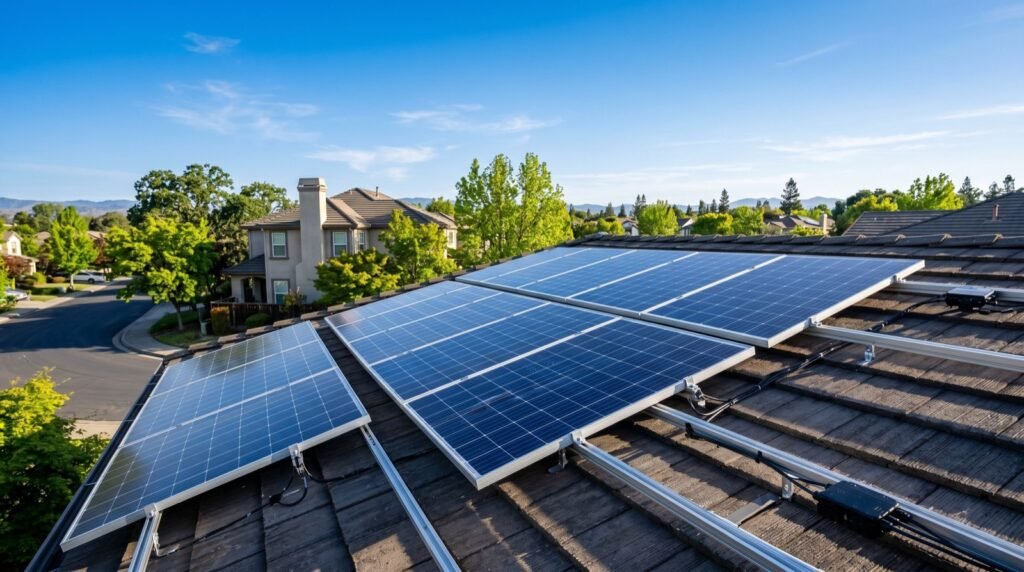
Investing in solar panels in Gujranwala has become one of the clearest paths to lower electricity bills for the city’s homes and industrial units in 2026. As tariffs rise and the fan-and-ceramics belt keeps running energy-hungry machinery, rooftop solar offers a fixed, long-term alternative to unpredictable grid costs. This guide explains sizing, pricing, net metering and installer selection in plain terms.
Gujranwala enjoys strong, consistent sunshine across its long summers, giving rooftop systems excellent daily yield. That dependable solar resource is a big reason payback periods in the city remain short and attractive.
Why Gujranwala Is Going Solar
Industrial Gujranwala runs on daytime power, and daytime is exactly when panels generate most. For a fan factory or ceramics workshop, aligning free solar output with working-hour demand can meaningfully cut operating costs and protect margins.
For households, the appeal is stability. Climbing unit rates and fuel surcharges make bills hard to budget, while a solar system locks your energy cost in place for two decades or more.
Key reasons to switch
- Reliable sun: high irradiance supports fast payback.
- Industrial fit: factories self-consume most of what they produce.
- Net metering: export surplus units for monthly credits.
- Price certainty: fixed upfront cost beats volatile tariffs.
What Do Solar Panels Cost in Gujranwala in 2026?
Final price depends on system size, panel quality and whether storage is included. The table shows realistic turnkey ranges for on-grid systems in 2026. Always confirm with a site survey, because roof type and wiring runs shift the total.
| System Size | Daily Units | Approx. Price (PKR) | Best For |
|---|---|---|---|
| 5 kW | 20–25 units | 880,000–1,120,000 | Family home |
| 10 kW | 40–50 units | 1,670,000–2,070,000 | Large home / shop |
| 15 kW | 60–75 units | 2,480,000–3,050,000 | Small workshop |
| 30 kW | 120–150 units | 4,900,000–5,900,000 | Industrial unit |
A well-sized 10 kW home system usually pays for itself within three to four years, after which the power is effectively free for the remaining panel life. Choosing quality solar panels in Gujranwala and matching them to your actual load is the single biggest factor in getting that fast return.
What moves the price
- Panel tier — monocrystalline costs more but delivers higher yield per metre.
- Inverter type — hybrid, battery-ready units add cost.
- Battery storage — optional, but valuable against outages.
- Structure and labour — elevated or large roofs raise mounting costs.
How Does Net Metering Work in Gujranwala?
Net metering lets your system export surplus daytime generation and draw it back at night, with the utility balancing the difference on your monthly bill. Under the framework set by the National Electric Power Regulatory Authority, approved rooftop systems connect through a bi-directional meter.
The process requires system specifications, licensed-installer documentation and a distribution-company inspection. A capable installer handles this paperwork, removing the main hurdle homeowners worry about.
Once live, exported units become credits that shrink your net bill. Combined with daytime self-consumption, this is what keeps payback periods short across the city.
Which Solar Panels Should You Choose?
Not all panels perform equally in Gujranwala’s heat and dust. Monocrystalline modules generally offer the best efficiency and temperature tolerance, making them a strong default for local rooftops where space and summer heat both matter.
Pair quality panels with a reliable inverter and a competent installer, and you have a system that performs for decades. Many homeowners turn to trusted professionals to handle the technical install and the after-sales support that protects the investment over its full life.
Panel selection checklist
- Confirm the panel’s temperature coefficient for hot climates.
- Check the 25-year performance warranty terms.
- Verify the inverter warranty, usually five to ten years.
- Ask for the expected annual kWh in writing.
Buyers comparing regional pricing, such as for solar panels in Peshawar, often find that component quality and service differ between cities, which is why a transparent written proposal matters everywhere.
Maintaining Panels in Gujranwala’s Climate
Solar panels need little upkeep, but a few habits keep output high in a dusty, hot environment. Left uncleaned, grime can quietly cut generation by several percent.
- Rinse panels every few weeks during dry months.
- Watch inverter readings for unexpected dips.
- Inspect wiring and mounts before monsoon season.
- Book a professional checkup once a year.
Most modern inverters include app-based monitoring, so a sudden drop in production is easy to spot and fix before it costs you savings.
On-Grid, Hybrid or Off-Grid: Picking a System
Choosing the system type matters as much as choosing the panels themselves, because each design solves a different problem. Match it to whatever frustrates you most about your present supply.
An on-grid system is the cheapest and leans on net metering rather than costly batteries, making it the favourite for homes and shops chasing lower bills. The catch is that it powers down during load-shedding for safety.
A hybrid system adds battery storage, keeping essential circuits or machinery alive through outages while still exporting surplus daytime power. It costs more at the outset but blends savings with resilience. A pure off-grid setup suits remote sites with no reliable grid link, demanding the largest battery bank and the biggest budget.
For Gujranwala’s fan and ceramics workshops, where downtime directly cuts into output, a hybrid system frequently earns its premium. Families with heavy summer cooling loads gain the same dual benefit of lower bills and uninterrupted comfort.
Whatever you pick, make sure the inverter leaves headroom for growth, as many owners expand their arrays within a few years once they see the savings add up.
Frequently Asked Questions
How many panels does an average Gujranwala home need?
A family running fans, lights, a refrigerator and one or two air conditioners typically needs a 5 kW to 7 kW system, roughly nine to thirteen panels at today’s wattages.
How long do solar panels last?
Quality panels carry a 25-year performance warranty and often keep producing beyond it at slightly reduced output. Inverters usually need replacement after five to ten years.
Will panels work during load-shedding?
A standard on-grid system shuts off during an outage for safety. To keep power flowing when the grid is down, you need a hybrid inverter paired with battery storage.
Is solar a good investment in 2026?
Yes. With high tariffs and low panel prices, most Gujranwala homes recover their cost within three to four years and then enjoy largely free power for the rest of the system’s life.
Final Thoughts
In 2026, fitting quality solar panels in Gujranwala is a dependable way to cut bills and shield your home or workshop from volatile tariffs. Match the system to your real usage, demand a written generation estimate, and pick an installer who explains the numbers instead of chasing the fastest sale. Gather two or three detailed quotes, compare warranties and service promises, and you will lock in clean, affordable power for decades.